Myofunctional Therapy
Restore breathing, oral function, and muscle balance, naturally. Without surgery or medication.
What is Orofacial Myofunctional Therapy?
Restore breathing, oral function, and muscle balance, naturally.
Myofunctional therapy helps address the causes of snoring, jaw pain, mouth breathing, and poor oral posture, without surgery or medication.
At Breathe First, we offer Orofacial Myofunctional Therapy (OMT), a non-invasive therapy that retrains the muscles of the face, mouth, and airway to improve how they function and coordinate. By correcting poor oral habits and building new muscle memory, we help children and adults breathe more easily, swallow more efficiently, and support proper jaw development.
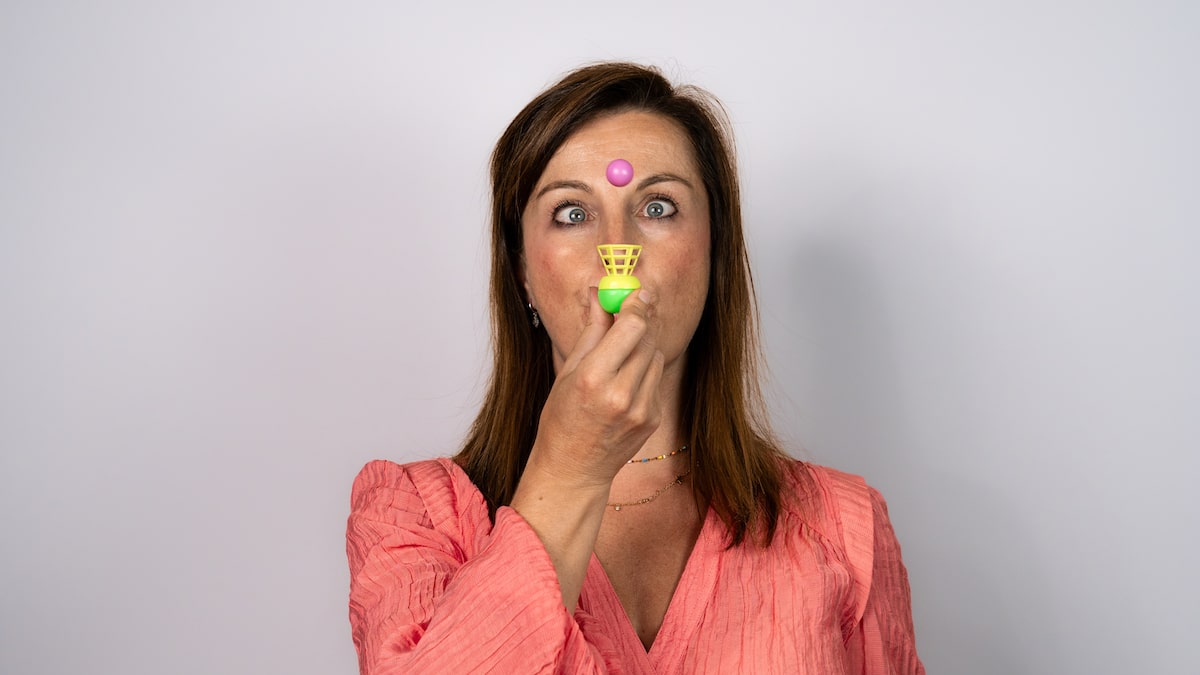
What is Myofunctional Therapy?
Myofunctional therapy focuses on the proper function of the muscles of the mouth, face, and airway. These muscles play a key role in breathing, chewing, swallowing, and speech.
When these functions are disrupted, it can lead to a range of issues, including:
- Mouth breathing, tongue thrust, low tongue posture, and swallowing habits
- TMJD and jaw pain
- Snoring and sleep apnoea
- Poor posture and jaw alignment
- Bruxism and orofacial pain
- Difficulty swallowing or eating
- Speech challenges
Through targeted exercises and gentle retraining, myofunctional therapy helps these muscles work more efficiently, supporting healthier breathing, better oral function, and long-term wellness.

What It Supports & Addresses
Myofunctional therapy addresses a wide range of oral and facial muscle dysfunctions that can impact breathing, swallowing, speech, dental alignment, and facial development. These issues often stem from improper oral habits developed early in life, or from compensation due to structural or airway-related challenges.
By restoring proper muscle function and coordination, therapy helps correct the causes, not just the symptoms, of many common problems seen in both children and adults.
Improper Oral Habits
Mouth breathing, tongue thrust, low tongue posture, and dysfunctional swallowing
Dental & Orthodontic Issues
Malocclusion, bite problems, and relapse after braces
Sleep-Disordered Breathing
Snoring, obstructive sleep apnoea, and poor oxygenation
Speech Difficulties
Imprecise articulation and restricted tongue mobility
Underdeveloped Jaws
Especially in children with early signs of airway dysfunction
How Myofunctional Therapy Works
Myofunctional therapy is a gentle, step-by-step approach that helps retrain the muscles of the face, mouth, and tongue to work the way they're meant to. The process is personalised to your specific needs, whether that's improving breathing, correcting tongue posture, reducing jaw pain, or supporting clearer speech and easier swallowing.
Therapy is guided by detailed assessment and built around simple daily exercises. Over time, these movements help build new muscle habits, leading to long-term improvements in health, comfort, and function. Most people begin to notice changes within the first few weeks, with full progress typically seen over a few months.
In-Person Assessment
Your therapy journey begins with a face-to-face assessment. We'll take time to understand your history, observe how your facial muscles are working, and assess your breathing, swallowing, and oral posture. Photos and functional measurements help us create a clear starting point.
Tailored Home Exercises
Following the assessment, you'll be given a personalised programme of short, practical exercises to do at home, typically twice a day. These are designed to improve strength, coordination, and resting muscle habits, and are adjusted as you progress.
Online Therapy Sessions
Therapy is delivered through regular online sessions, where we guide you through new techniques, check your progress, and build on each stage of the programme. Sessions are initially weekly, then spaced out over time depending on your goals.
Progress Over Time
Many people notice small improvements within a few weeks, such as easier breathing, better lip seal, or reduced tension. Long-term results typically build gradually over a 3–6 month period, as new habits take hold and muscle function becomes automatic.
Who Can Benefit
Myofunctional therapy supports a wide range of individuals, from young children developing foundational habits, to adults seeking long-term relief from chronic issues. By retraining the muscles involved in breathing, swallowing, and oral posture, therapy can lead to meaningful improvements in both daily function and long-term health.
Children
Especially those who struggle with mouth breathing, thumb-sucking, speech delays, tongue thrust, or poor feeding habits. Early intervention can support healthy jaw development, clearer speech, and easier breathing, often reducing the need for more complex treatments later.
Adults
Those experiencing TMJD, fatigue, poor sleep, mouth breathing, or post-orthodontic relapse. Therapy can relieve muscle tension, reduce snoring, and support better breathing patterns, improving energy and comfort throughout the day.
Teenagers in Orthodontic Care
Myofunctional therapy can improve stability and outcomes before, during, and after braces by correcting tongue posture, swallowing patterns, and lip seal, helping to protect your investment in orthodontics.
Neurodivergent Children
Children with sensory processing challenges, autism, ADHD, or developmental delays often benefit from structured, sensory-informed therapy that supports regulation, focus, and better oral-motor function.
Singers, Athletes & Public Speakers
Those looking to improve breath control, jaw stability, and facial muscle awareness for performance, endurance, and clarity in speech or singing.
What You Can Expect from Therapy
By restoring healthy muscle function and correcting oral habits, myofunctional therapy can lead to measurable improvements in everyday comfort, health, and wellbeing. Whether you're seeking relief from jaw pain, supporting your child's development, or hoping to sleep better, therapy focuses on long-term, sustainable outcomes.
Improved Breathing
Transition from mouth to nasal breathing, supporting better oxygen uptake, immune health, and nervous system regulation.
Enhanced Sleep Quality
Reduce snoring, mouth breathing, and the symptoms of sleep apnoea by improving tongue posture and airway muscle tone.
Oral Health Support
Improve conditions like teeth grinding, gum recession, dry mouth, or bad breath by optimising jaw alignment and tongue resting position.
Speech Clarity
Build proper muscle coordination and tongue mobility to support clearer articulation and more confident communication.
Facial Growth & Muscle Balance
In children, guide proper facial and jaw development. In adults, balance facial muscles to reduce tension and promote long-term stability after orthodontic treatment.
Book a discovery call
A relaxed 30-minute online call to talk through your concerns and find out whether myofunctional therapy is right for you or your child. No pressure, no obligation.
Book a Discovery CallWhat to Expect at Breathe First
A personalised, holistic approach to myofunctional therapy, focused on lasting change through supportive, evidence-informed therapy.
From your first consultation to your final check-in, we tailor everything to your needs, goals, and lifestyle.

Begin with an in-person assessment.
Book at our Altrincham clinic, then continue your therapy online. We'll build your personalised plan and guide you every step of the way.
Not Sure Yet? Read What the Research Says
Want to understand more before getting started? Explore our latest articles to see how myofunctional therapy works, what the evidence shows, and how it can support both children and adults with real-life challenges, from snoring and speech to jaw development and breathing.