What Is Tongue Tie? Signs, Causes and Symptoms
In short: Tongue tie, clinically called ankyloglossia, is when the lingual frenulum, the band of tissue under the tongue, is short or tight enough to…
Webinars, programmes, guides and articles from the clinic. Some to buy, plenty free, all by the people who do this every week.
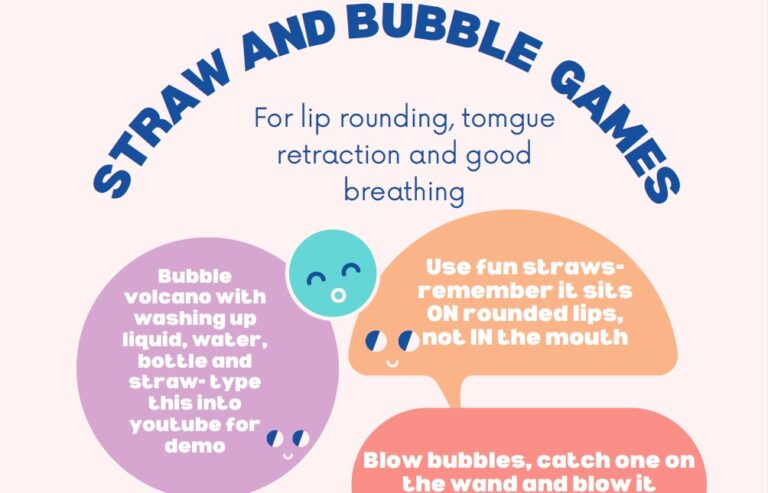
Six short exercises from the clinic: the tongue waggle test, tongue punches, the siren, the button pull, the raisin pass and blowing bubbles.
Tongue tie and tongue posture · 3:18Open the video page, with the transcript and chaptersIn short: Tongue tie, clinically called ankyloglossia, is when the lingual frenulum, the band of tissue under the tongue, is short or tight enough to…
Lips apart at rest, breathing through the mouth by day or night, a dry mouth on waking.
 ArticleMost mouth breathers don’t realise this happens while they sleepFor children, teens and adults
 Video0:22The simplest daily breathing exercise: blowing bubblesFor children, teens and adults
 Webinar£4.99Helping a Mouth-Breathing Child: Routines, Signs & Solutions – WebinarSee what is covered
 Book£3.99Better Breathing After My Operation – Digital DownloadFor children
Snoring, a restless night, waking unrefreshed. Pauses in breathing are a question for your GP first.
 ArticleMyofunctional Therapy: The Snoring Solution Highlighted on This MorningFor teens and adults
 Video1:48What we’re really looking for when you say ‘ahh’For children, teens and adults
 Video1:29Is your child’s sleep affecting their school year?For children
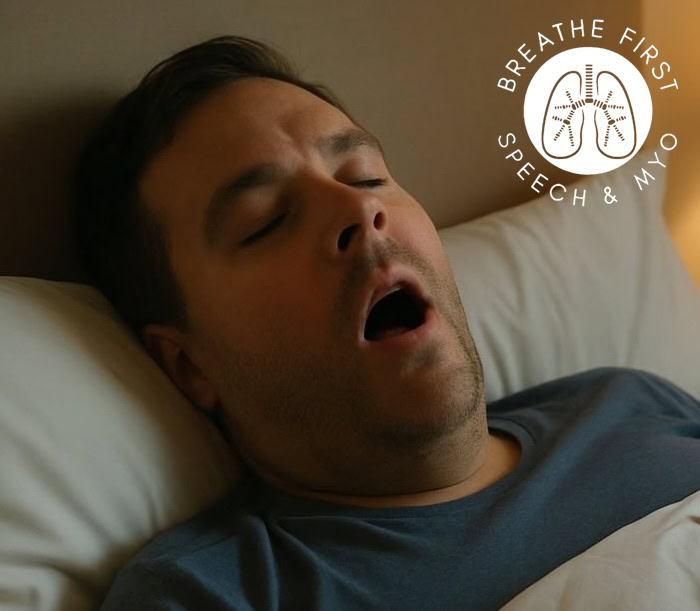 Webinar£4.99Breathing & Sleep: Improve Snoring, Mouth Breathing & Grinding WebinarSee what is covered
Where the tongue rests, how far it moves, and what happens before and after a release.
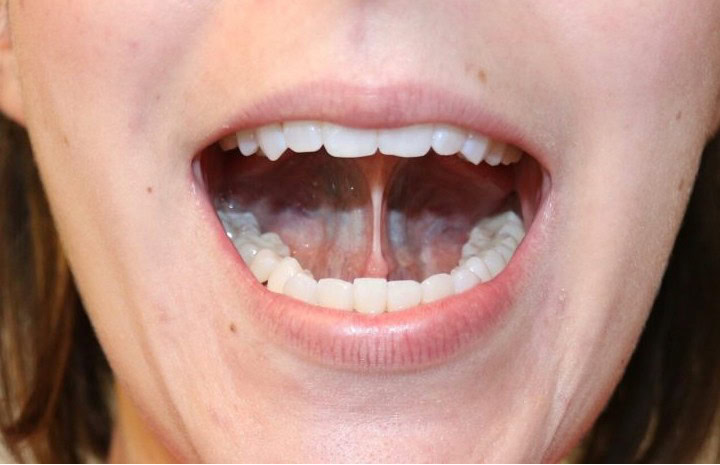 ArticleWhat Is Tongue Tie? Signs, Causes and SymptomsFor babies, children, teens and adults
 Video0:22The siren: a myofunctional exerciseFor teens and adults
 Book£2.50My Mouth and My Feelings: A Parent’s Guide to Empowering Children’s Emotional and Oral Wellness (Digital Download)For children
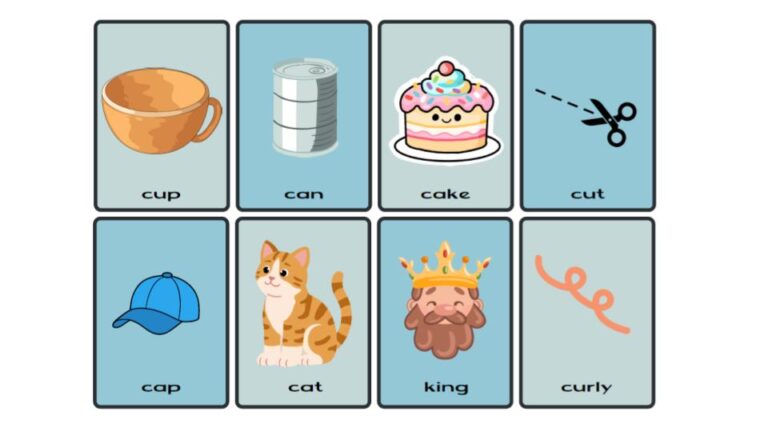 Free printableInitial C/K CardsFor children
Sounds that come out slushy, lisped or swapped, and the oral motor work behind clearer speech.
Overstuffing, pocketing food, a tongue that pushes forward on swallowing, dribbling past the toddler years.
Clicking, clenching and tension, and how tongue and lip habits relate to teeth moving after braces.
Thumb and finger sucking, long dummy use, and gentle ways to move on from them.
Newsletter
One email when a new webinar, programme or free resource goes up. Nothing else, and one click to leave.